Table Of Content

The mold tool consists of two halves – the core side and the cavity side. When closed, these two halves create the mold cavity that gives shape to the molten plastic part. Once the cavity is filled, the molten plastic cools and solidifies into the final part shape.
Avoiding Sinks With Proper Venting
These are depressed areas on the surface of the molded part caused by localized shrinkage during cooling. Sink marks commonly occur when thick sections cool slower than thinner sections, leading to uneven material distribution. One effective solution is to adjust wall thicknesses throughout the design, ensuring uniform cooling rates and minimizing differences that can lead to sink marks. Gate location ideally should be specified by a designer, molder and tool maker.
Avoiding Sinks, Warpage and Other Defects
In addition to being unattractive, the mark also represents added stress that is built into the part. Other less conspicuous areas where sink occurs include ribs, bosses and corners. These are often overlooked because neither the feature nor the part itself is too thick; however, the intersection of the two can be a problem. The ejection system design should consider the part geometry, the number of undercuts, and the part’s stiffness.
Injection Molding Design Guide
In the next section, we’ll see how you can avoid each of them by following good design practices. In Part 2, we list the most important design considerations to keep in mind while designing for injection molding. It Part 5, we’ll also see how you can mitigate the risk by creating physical prototypes of your parts. Design changes usually require the creation of a new mold from scratch. For this reason, correctly designing a part for injection molding is very important.
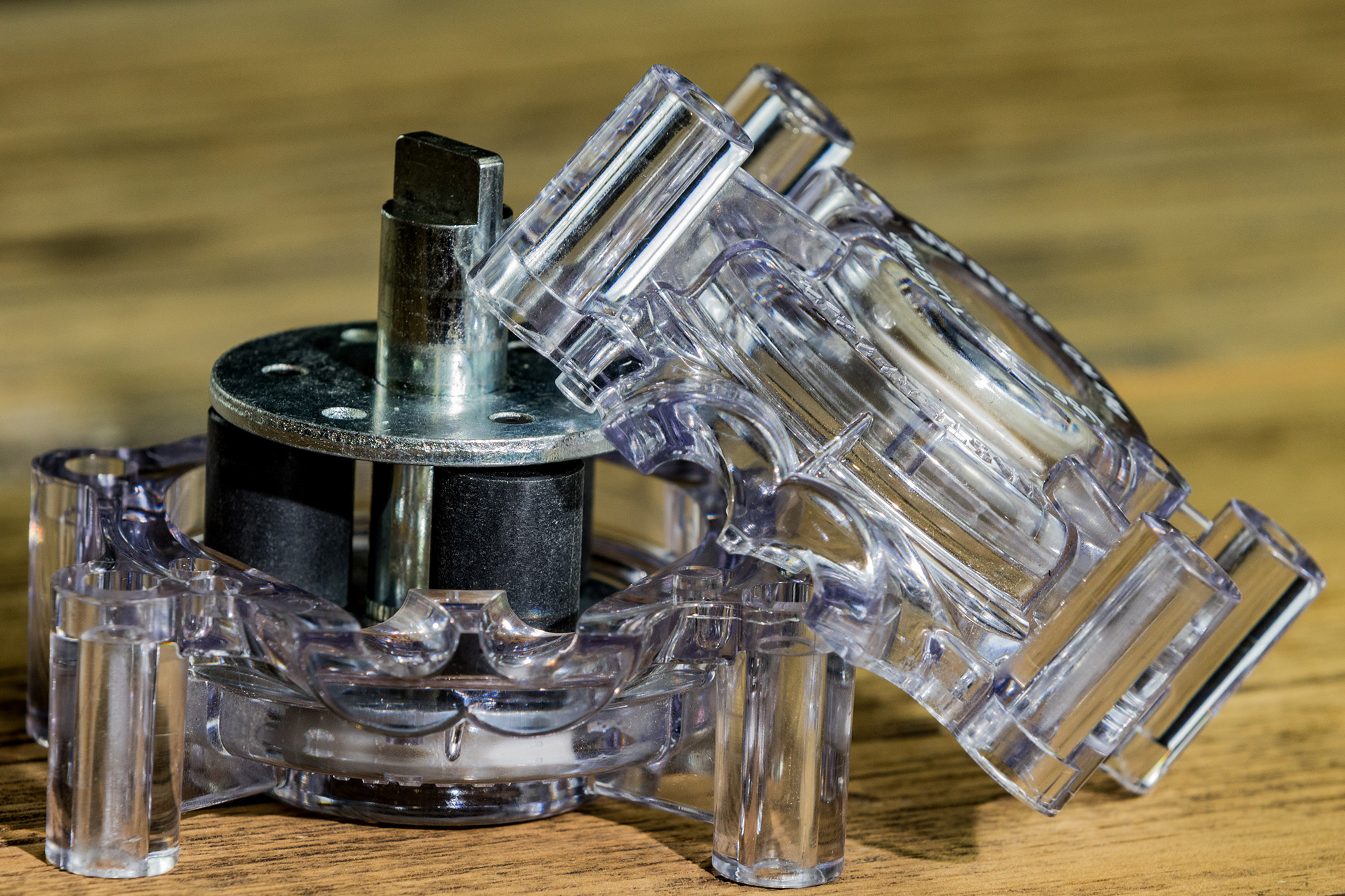
Additionally, part size can impact cooling times, cycle times, and even machine selection. These factors should be taken into account when determining the feasibility and efficiency of manufacturing a particular part. The complexity of a part’s shape directly affects the intricacy of the mold design. More intricate shapes require additional considerations for mold flow, cooling, and ejection. For example, parts with fine details or sharp corners may necessitate specialized features like side actions or collapsing cores to achieve proper molding.
Steps in Designing an Injection Mold
If more complex geometries are required, then retractable side-action cores or other inserts are required. Used by manufacturing professionals across the planet, CATIA is an incredibly agile and advanced mechanical design program. This astounding CAD software is powerful enough to be suitable for everything from aeronautical to industrial applications. CATIA Mechanical Designer delivers efficient solutions for complex end-to-end mechanical and object design.
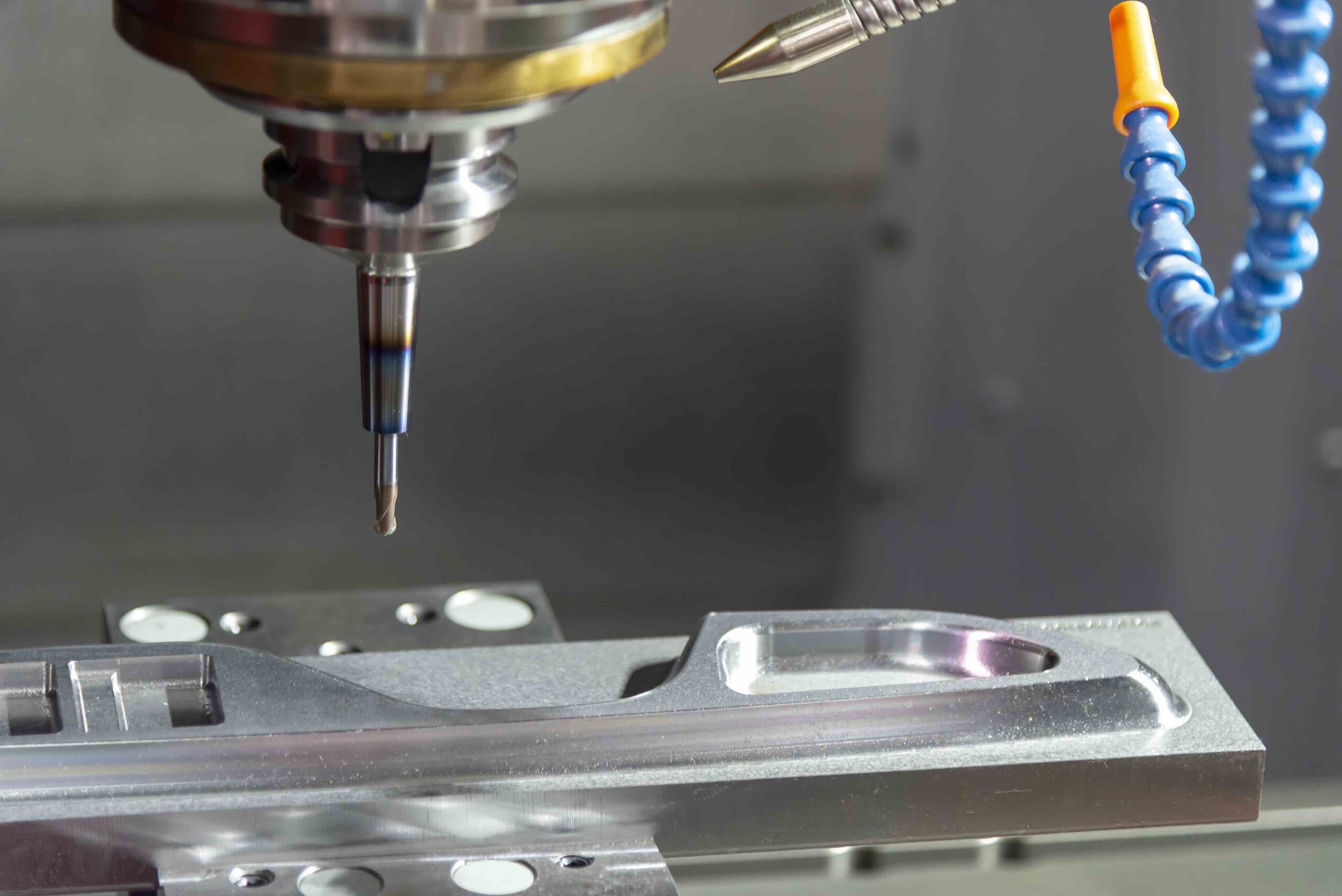
You can also connect with industrial injection molding service providers via the Make marketplace available on the 3DEXPERIENCE platform. Dassault Systèmes incorporates an on-demand manufacturing platform experts can use to develop complicated products and parts for any application. Expert engineering and design professionals use the 3DEXPERIENCE marketplace to create an incredible array of complex components using a variety of materials.
Big 3 Precision and Creative Blow Mold Tooling form strategic partnership - PlasticsToday
Big 3 Precision and Creative Blow Mold Tooling form strategic partnership.
Posted: Fri, 01 Dec 2023 06:11:05 GMT [source]
Reduce mold production lead times by 80%
ENGEL at NPE2024: Get connected with solutions from ENGEL - Plastics News
ENGEL at NPE2024: Get connected with solutions from ENGEL.
Posted: Thu, 28 Mar 2024 07:00:00 GMT [source]
RapidDirect offers a range of materials and finishing services to improve the quality of injection molds and plastic parts. Our experienced technicians can provide suggestions to optimize your mold design and recommend suitable materials and finishing for your plastic part. Therefore, we offer a streamlined quotation process and provide a DFM analysis report to help you confirm your design concept before starting manufacturing. Plastic parts can have different surface finishes that affect their texture, look, and feel. Choosing the right finish is crucial to the design phase as it determines the tooling and material needed.
By considering these essential factors, you can ensure that your design not only meets functional requirements but also facilitates efficient production and high-quality end products. Experienced designers are always faced with the challenge of avoiding sink marks in injection molded parts. Although the recommended maximum wall thickness at the base of a rib or boss should be less than 60% that of the perpendicular face wall, some molders prefer 50% or less.
The main body of the part should be designed thick enough so any adjacent rib extruded from it is about half of the thickness. This helps you avoid thick sections that may cool at different rates than the thin sections. It also helps in reducing sink and stresses that can create warp in your part.
The Engineering Manager must approve any deviations from the Upmold standards, and any deviations must be documented and approved by the Customer. These are just a few examples of common design issues that can arise during injection mold design. Each issue requires careful analysis and consideration to find the most suitable solution.
The mold or die refers to the tooling used to produce plastic parts in molding. Traditionally injection molds have been expensive to manufacture and were only used in high-volume production applications where thousands of parts were produced. Molds are typically constructed from hardened steel, pre-hardened steel, aluminum, and/or beryllium-copper alloy.
Undercuts always add cost, complexity, and maintenance requirements to the mold. Injection molding is the most cost-competitive technology for manufacturing high volumes of identical plastic parts. Once the mold is created and the machine is set up, additional parts can be manufactured very fast and at a very low cost. Below is a quick rundown of the key advantages and disadvantages of injection molding to help you understand whether it’s the right solution for your application.




No comments:
Post a Comment